Health Awareness
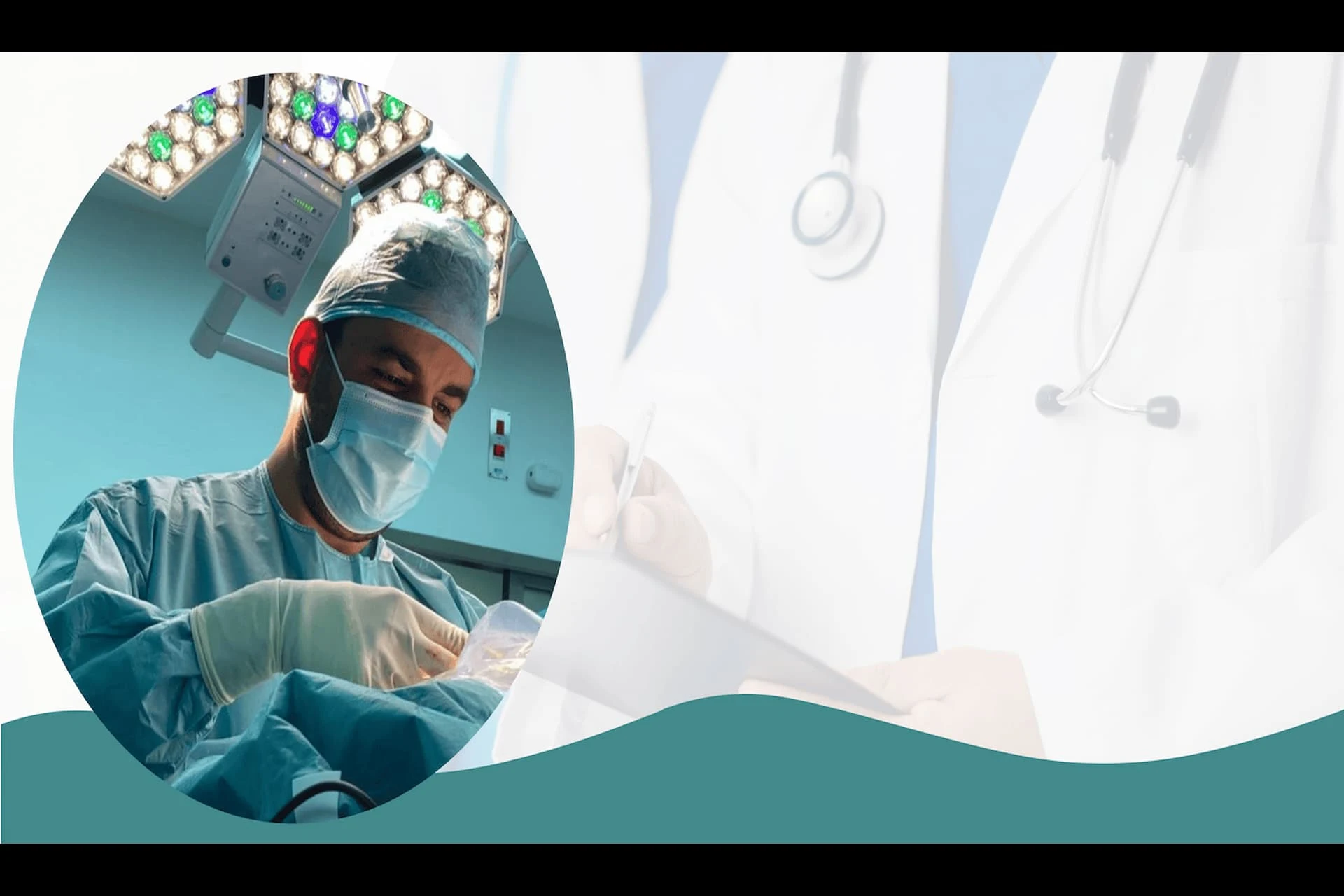
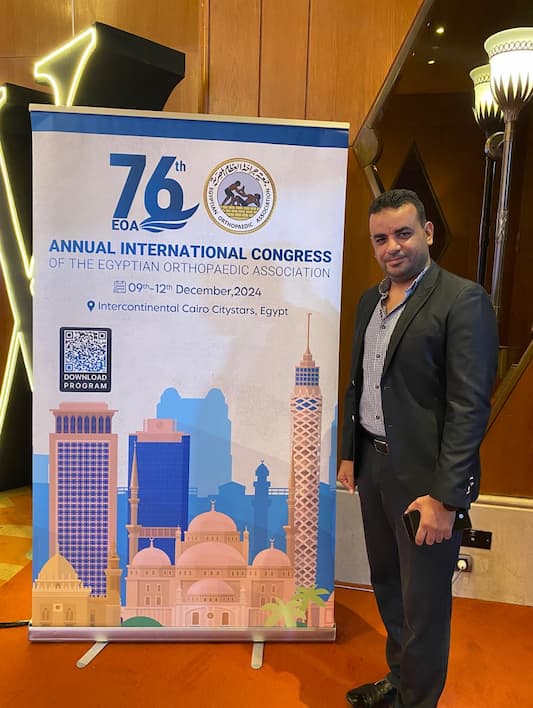

Master’s Degree in Orthopedic Surgery and Traumatology
Consultant in Orthopedic, Knee, and Sports Injury Surgery
Fellowship-qualified in the United Kingdom (UK).
Member of the Egyptian Orthopaedic Association
Member of the Egyptian Society of Endoscopy
Works as part of the medical staff at Al Ahly Club and the Air Force Specialized Hospital
We offer specialized treatments for knee and shoulder injuries, including surgery, joint arthroscopy, and osteoporosis care, to restore mobility and relieve pain quickly.
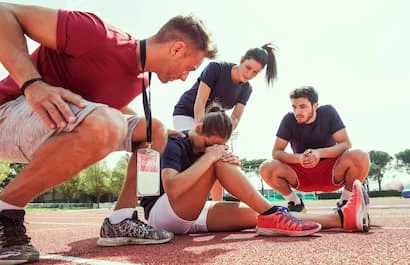
Providing advanced medical solutions for sports injuries using the latest techniques to ensure quick recovery and a return to sports activities.
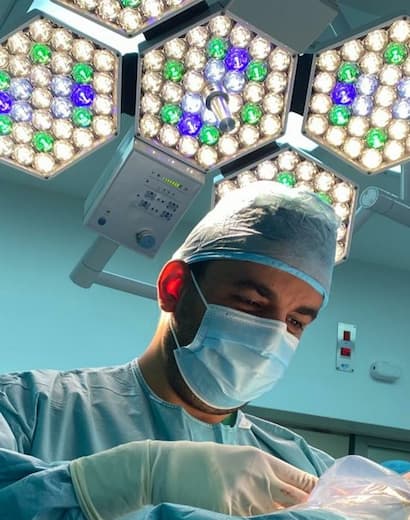
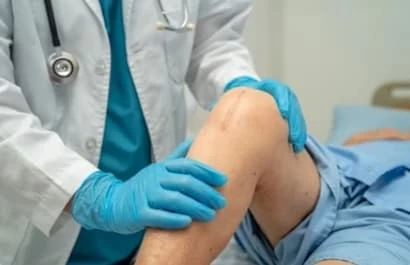
Offering the latest knee arthroscopy techniques for precise treatment and faster recovery.
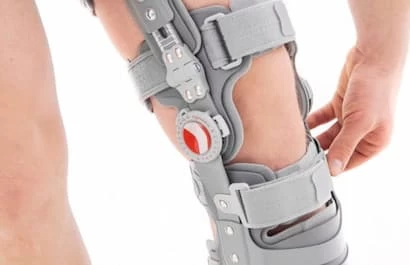
We provide medical solutions to correct knee deformities and enhance functionality using advanced surgical and non-surgical techniques.
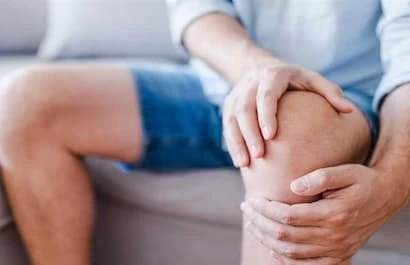
We offer advanced treatment options to alleviate joint stiffness and restore natural mobility using the latest medical technologies.
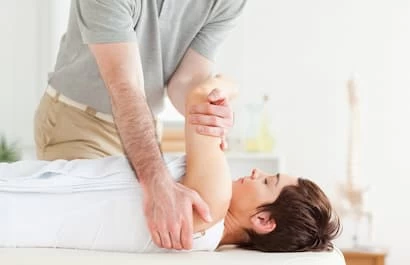
We provide advanced medical solutions for treating shoulder injuries and restoring its natural functionality efficiently.


Book your appointment now and receive a specialized medical consultation
Short videos detailing ligament tears, cartilage issues, and spinal pain, helping you clearly understand your condition and how it is treated.
Read articles on sports injuries and knee surgery.
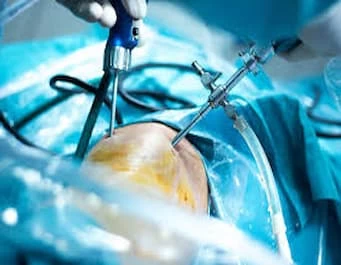
Knee pain is one of the most common complaints among patients of all ages, often limiting mobility and impacting quality of life. Whether due to injury, arthritis, or degenerative conditions, severe knee pain may sometimes require surgical intervention for long-term relief. Knee surgery can range from minimally invasive procedures to full knee replacements, depending on the severity and cause of the problem. This blog will guide you through the basics of knee surgery, recovery expectations, and how to decide if it’s the right solution for you.
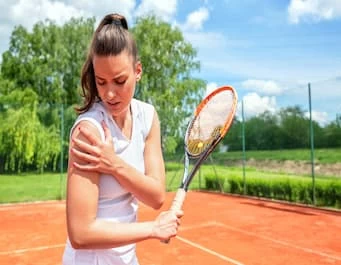
Sports injuries are common among athletes, whether professional or amateur. These injuries not only affect athletic performance, but can also leave lasting effects on overall health if not treated properly. Sports injuries include problems with bones, joints, and ligaments, and occur as a result of repetitive stress or an accident during exercise. In this article, we will discuss the main causes of sports injuries, common types, and how to prevent them.
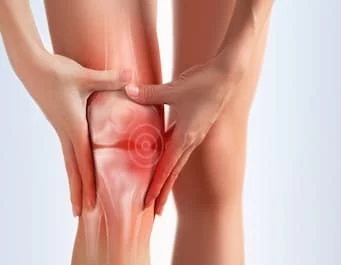
Knee pain may result from injuries, inflammation, or wear and tear of the joint with age, and affects a person's movement and quality of life.
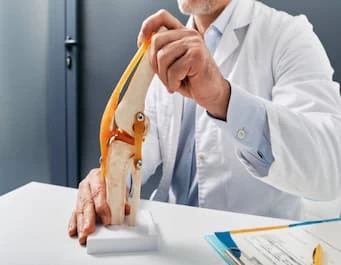
Orthopedics and knee surgery is a vital medical specialty that focuses on treating injuries and deformities that may affect the skeletal system, especially in the knee joint, which is one of the most important joints in the human body. This specialty is essential in treating sports injuries that athletes suffer from as a result of great physical pressure and high effort during training and matches.
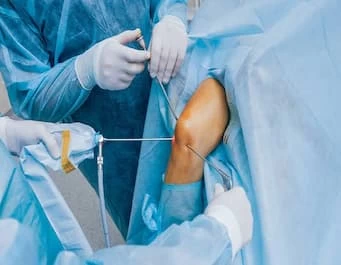
Arthroscopic Orthopedic Surgery is one of the most prominent medical developments in the field of orthopedic surgery, as it represents a modern and accurate technique used to diagnose and treat many bone and joint injuries using small tools and a camera inserted through small incisions in the skin. This type of surgery is safer and less invasive than traditional surgery, which helps speed up the healing process and reduce the recovery period.
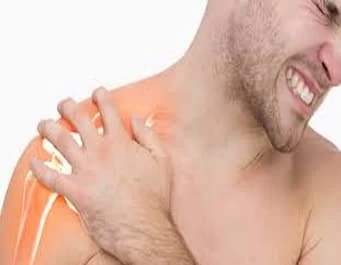
Shoulder tendonitis and tendon tears are common injuries that affect the shoulder joint, especially in people who use their arms frequently in strenuous physical activities or in sports. The shoulder consists of a group of tendons that connect the shoulder muscles to their bones, and any injury or inflammation in these tendons can greatly affect a person's ability to move the shoulder and lead to chronic pain.
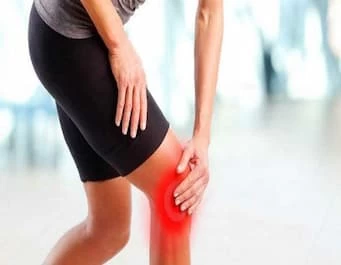
A lateral ligament tear in the knee is a common injury, especially among athletes and people who engage in high physical activities. The lateral ligaments, which include the medial collateral ligament (MCL) and the lateral collateral ligament (LCL), provide the necessary stability to the knee joint and help protect the bones and cartilage. A tear in any of these ligaments can lead to severe pain, swelling, and difficulty moving, affecting the ability to perform daily and sports activities.
Read articles on sports injuries and knee surgery.
دكتور ممتاز جداً وخلوق، شرحلي كل تفاصيل الخشونة وعملية منظار الركبة بمنتهى الأمانة والوضوح. الحمد لله بعد العملية رجعت أمارس حياتي طبيعي بدون أي ألم.
تعامل راقي من أول لحظة، والدكتور بيشرح كل خطوة في العلاج بصبر وهدوء. حسيت بفرق كبير بعد أول أسبوعين من خطة العلاج والمتابعة المستمرة.
كنت بعاني من قطع بالرباط الصليبي بعد إصابة ملاعب، والدكتور سامح أجرى لي العملية بنجاح وبفضل الله والتأهيل رجعت للتمرين في وقت قياسي.
حجزت الكشف أونلاين بكل سهولة، والعيادة نظيفة ومنظمة جداً، والدكتور عنده خبرة واسعة في تشخيص الحالة واقتراح أفضل الحلول الطبية.


Knee and joint pain can have several causes, such as joint inflammation, sports injuries, age-related wear and tear, or problems with ligaments and cartilage. Genetic factors and excess weight may also contribute to increased stress on the joints.
An anterior cruciate ligament injury causes severe knee pain and difficulty walking or moving. It may be accompanied by knee swelling and a popping sound at the time of injury. In some cases, the knee may become unstable.
Yes. Meniscus injuries can be treated with physiotherapy, or with surgery in advanced cases. Surgery may involve arthroscopy to remove or repair the damaged part of the meniscus. In some cases, the damaged meniscus can be replaced.
Treatment for recurrent kneecap dislocation includes physiotherapy to strengthen the muscles around the knee. In some cases, surgery may be needed to stabilize the kneecap or correct its alignment.
Surgery to correct leg alignment is necessary when the deformity causes severe pain, difficulty walking, or disruption to daily life. The need for surgery is determined by the severity of the condition and its associated symptoms.
مناظير الكتف تُستخدم لتشخيص وعلاج إصابات الأوتار في الكتف بطريقة minimally invasive (غير جراحية)، مما يساعد في تقليل الألم، تسريع التعافي، والحد من مخاطر المضاعفات المرتبطة بالجراحة التقليدية.
Yes. Some sports injuries can be treated without surgery using physiotherapy, anti-inflammatory medications, and other methods such as cold or warm compresses. However, surgery may be necessary in more severe cases.
The type of treatment is determined through an accurate diagnosis of the patient’s condition, including a clinical examination, X-rays, and sometimes tests such as magnetic resonance imaging (MRI). Based on these findings, the most appropriate treatment can be chosen, whether non-surgical or surgical.