Does a Meniscus Tear Need Surgery? When Is Nonsurgical Treatment Appropriate?
Not every meniscus tear needs immediate surgery. Your doctor determines the treatment plan based on your symptoms, their effect on movement, the type and location of the tear, and the condition of your knee. Nonsurgical treatment may suit some cases, while others need surgical assessment. Similarities between your symptoms and someone else's experience are not enough to make the decision. Source: AAOS OrthoInfo
What is a meniscus tear?
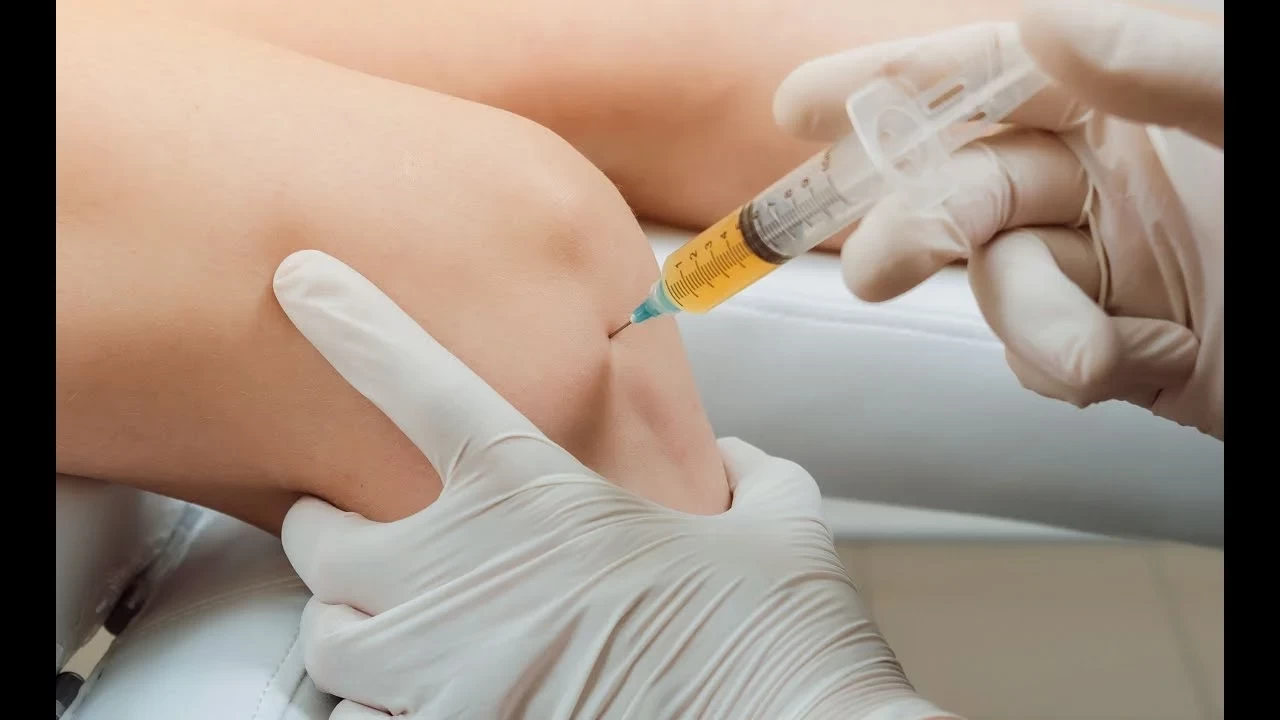
The two menisci are tissues inside the knee that help distribute loads and absorb shock. A tear may follow a sudden twist during activity or develop with gradual changes in the tissue over time. An acute injury is therefore not automatically treated in the same way as a degenerative tear. Source: AAOS OrthoInfo
How does the doctor reach a diagnosis?
Assessment begins with discussing the injury and symptoms and examining the knee. Your doctor may request an MRI to assess the tissues, while X-rays can help identify other causes of pain, such as osteoarthritis. Symptoms can overlap with other causes of knee pain, so reading an imaging report alone does not replace an examination. Source: AAOS OrthoInfo
When is physiotherapy an option?
In the ESCAPE randomized trial, exercise-based physiotherapy was not inferior to arthroscopic partial meniscectomy for knee function over five years of follow-up in patients aged 45 to 70 with degenerative tears. Some participants in the physiotherapy group later underwent surgery because their symptoms persisted. This finding applies to the study population; it does not mean that surgery cannot benefit any patient. It should not be generalized to every acute injury, a locked knee, or an associated ligament injury. Original study, JAMA Network Open, 2022
A nonsurgical plan may include physiotherapy to improve movement and strength. The appropriate program depends on the assessment, so do not start strenuous exercises simply because a program is available online. NHS treatment information
When does the doctor discuss surgery?
AAOS guidance for acute isolated injuries indicates that some displaced or displacing tears, particularly those that restrict the knee's range of motion, may benefit from early surgery. This point reflects expert consensus with limited evidence, not a requirement for surgery for every tear.
When surgery is appropriate, the guidance recommends preserving as much functional meniscal tissue as possible. The surgeon determines whether repair or another procedure is suitable for the individual case. This guidance does not cover degenerative tears, meniscal root tears, or injuries associated with an ACL tear. AAOS guidance and scope; Recommendation summary
To learn about the service available on this website, visit the meniscus surgery page. Reading that page does not mean that surgery is necessary for your condition.
When do you need urgent assessment?
Seek urgent medical care if you cannot walk or bear weight, have severe pain after an injury, have a swollen and hot knee with a fever, or cannot bend or straighten your leg. An injury with an obvious deformity or loss of sensation requires emergency care. Do not wait for a routine appointment if these signs appear. NHS guidance on seeking help
Questions to ask during your visit
- Is the tear acute or degenerative? Is there another associated injury?
- What does the imaging add to the examination findings?
- What is the aim of the nonsurgical plan, and how will we review the response?
- If you recommend surgery, why? What are the alternatives and risks?
- What restrictions on work and sport are appropriate for my situation?
Bring any available imaging and reports, and note when your symptoms began and which activities make them worse. For a non-emergency assessment, you can use the appointment booking page.
This article is educational and does not provide an individual diagnosis or a personal treatment plan.
Recent Articles